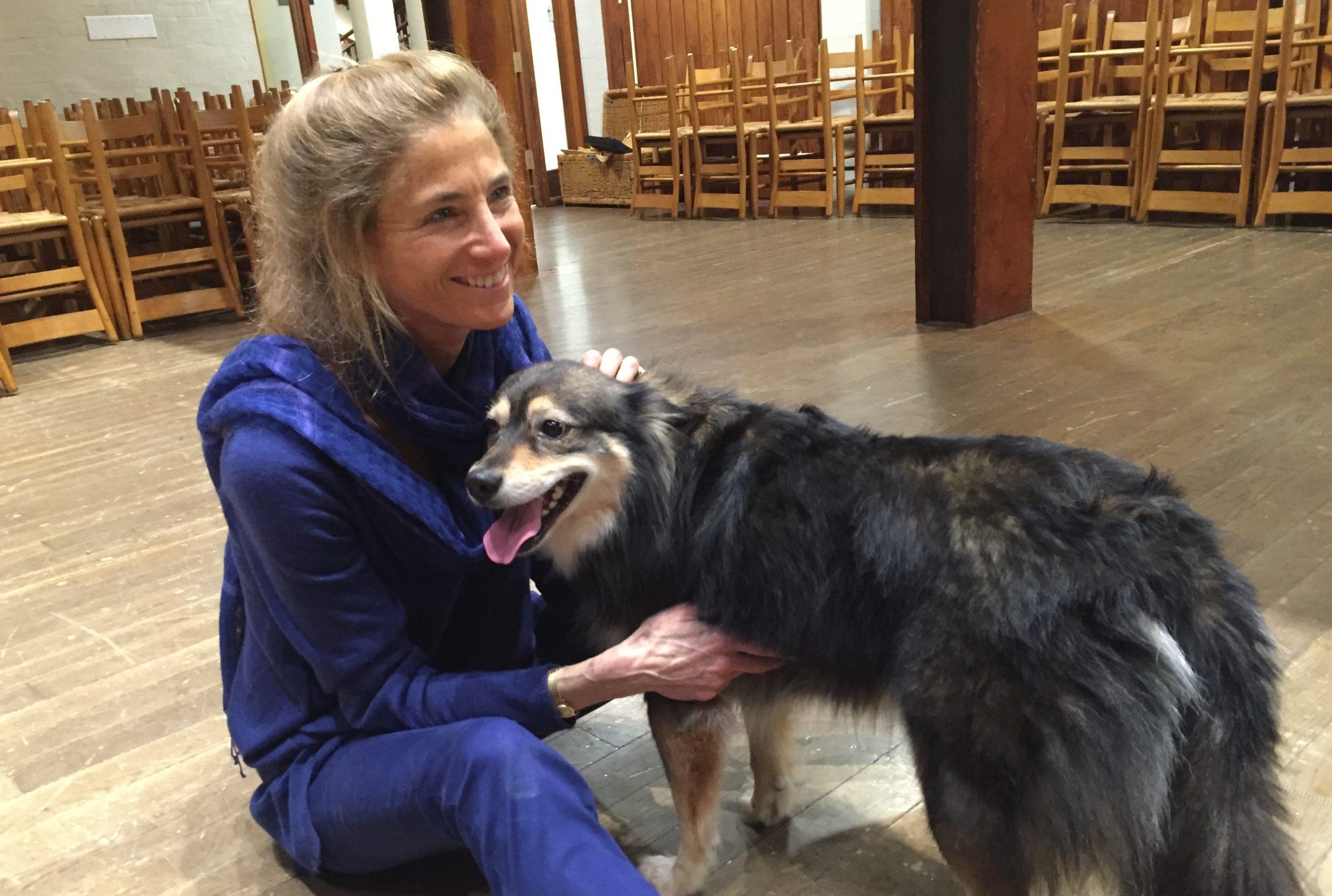
The Power of Naming: A Path to Healing
Tara Brach's poignant assertion, "What we can name, we can hold. What we can hold, we can heal," invites us to explore the profound relationship between language, awareness, and emotional healing. In essence, this quote suggests that by bringing our experiences into the light of consciousness—by naming them—we can begin to understand and ultimately transform them. This process is not merely intellectual; it is deeply experiential and transformative, offering a pathway to healing that is both accessible and profound.
In a world often filled with chaos and unprocessed emotions, the act of naming becomes a sacred practice. It allows us to confront our fears, sorrows, and joys, giving them a form and a voice. This is particularly significant in our contemporary lives, where many of us grapple with feelings of isolation and disconnection. By acknowledging and articulating our inner experiences, we create a bridge to healing that fosters connection, both with ourselves and with others.
The image / the metaphor
The imagery in Brach's quote is rich and evocative. To "name" something is to bring it into existence, to give it a form that can be grasped and understood. The verbs "hold" and "heal" suggest a nurturing process, where we cradle our experiences with care and compassion. This act of naming is akin to a gentle embrace, allowing us to recognize and validate our feelings, rather than suppressing or ignoring them.
Diving deeper into the metaphor, we can see that naming is not merely about labeling; it is about creating a relationship with our experiences. When we name our emotions—be they grief, anger, or joy—we are acknowledging their presence in our lives. This acknowledgment transforms our relationship with these feelings, allowing us to hold them with compassion rather than fear. In this way, the act of naming becomes a powerful tool for emotional alchemy, turning our pain into a source of wisdom and healing.
In the speaker's tradition
Tara Brach's teachings are deeply rooted in Buddhist philosophy, particularly the concepts of mindfulness and compassion. In Buddhism, the practice of naming can be likened to the concept of 'prajna,' or wisdom, which involves seeing things as they truly are. By naming our experiences, we cultivate a clear awareness that allows us to understand the nature of our suffering and the impermanence of our emotions. This clarity is essential for healing, as it enables us to let go of attachments and aversions that cause us pain.
Furthermore, Brach's emphasis on naming resonates with the Buddhist practice of 'sunyata,' or emptiness, which teaches that our experiences are not fixed but fluid. By naming our feelings, we recognize their transient nature, allowing us to hold them lightly rather than clinging to them. This perspective is echoed in the teachings of the Buddha, who encouraged his followers to observe their thoughts and feelings without attachment, fostering a sense of freedom and liberation from suffering.
Living the teaching
Consider a modern scenario where this teaching can be applied: a person grappling with anxiety about an upcoming job interview. Instead of allowing the anxiety to fester in silence, they take a moment to sit quietly and name their feelings—"I feel anxious, I feel unprepared." By articulating these emotions, they create space for understanding and compassion. This simple act of naming allows them to hold their anxiety gently, transforming it from a source of dread into an opportunity for self-reflection and growth.
In the context of relationships, the practice of naming can be equally transformative. Imagine a couple facing a conflict where unspoken grievances linger in the air. By taking the time to name their feelings—"I feel hurt when you dismiss my opinions"—they open a dialogue that fosters healing and understanding. This act of naming not only clarifies their own emotions but also invites their partner into a shared space of vulnerability, paving the way for deeper connection and reconciliation.
A reflection
As we contemplate Tara Brach's insightful words, we are invited to reflect on our own lives: What emotions or experiences have we left unnamed, lingering in the shadows of our consciousness? In what ways might the act of naming these feelings lead us toward healing and transformation? By engaging with this contemplative question, we can begin to uncover the hidden layers of our emotional landscape, allowing us to embrace our experiences with compassion and wisdom.