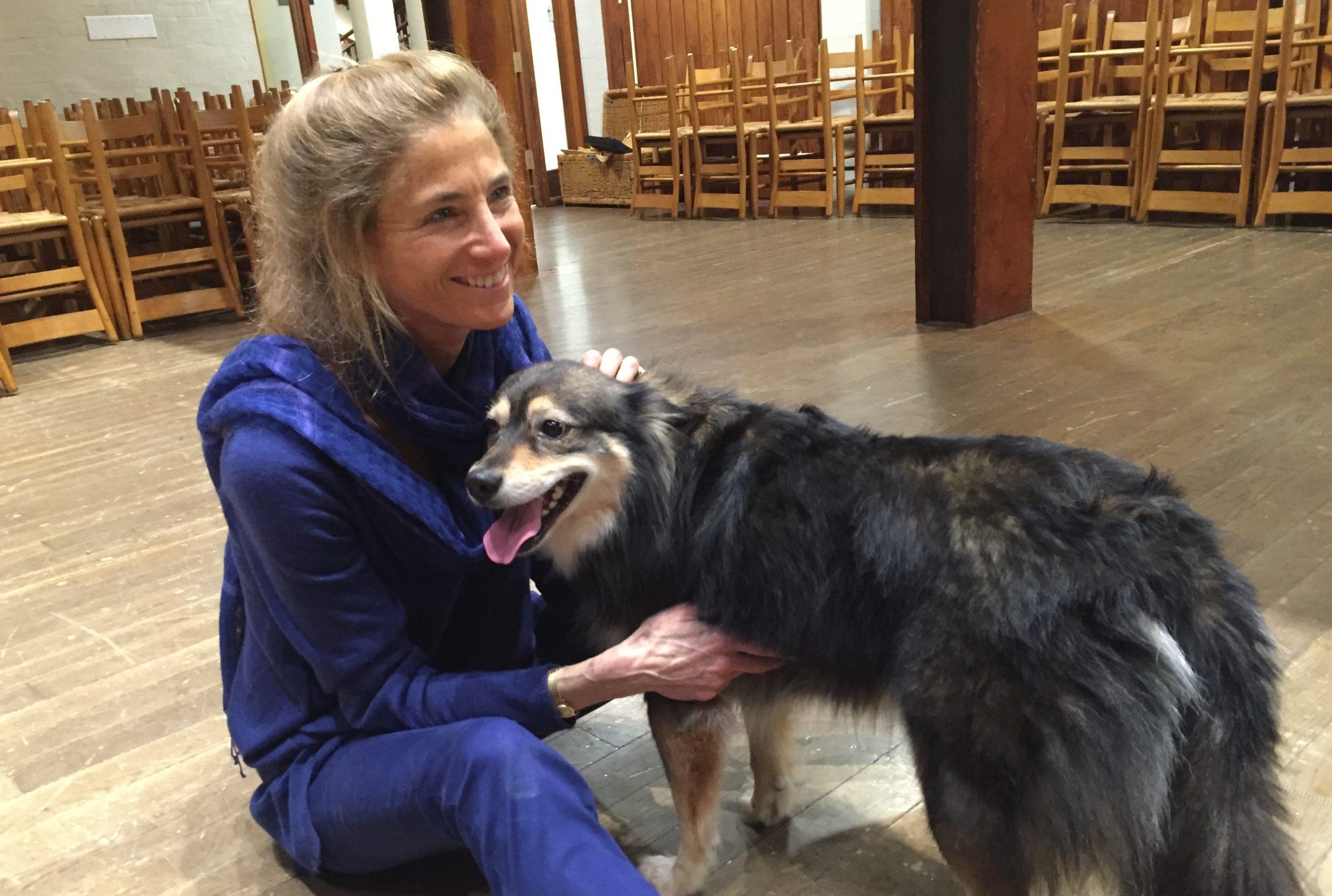
The Awakening of Presence: Embracing Our True Purpose
Tara Brach invites us to consider a profound yet simple truth: what if our primary purpose in life is to be fully present, aware, and awakened to the reality of our existence? This notion challenges the often complex narratives we construct around purpose, urging us to strip away the layers of expectation and ambition that cloud our understanding. In a world that frequently equates worth with achievement, Brach's words serve as a gentle reminder that our essence lies in the act of being, rather than doing. This perspective is not merely philosophical; it is a call to engage with life in its raw, unfiltered form.
To be present is to engage with the world as it is, without the distortions of our desires or fears. This awareness is not passive; it is an active participation in the unfolding of life. By waking up to the truth of our existence, we cultivate a deeper connection to ourselves and to others. This awakening is a journey, one that invites us to explore the depths of our consciousness and to recognize the beauty in the mundane. In this exploration, we may find that our purpose is not a destination but a continuous unfolding of awareness and presence.
The image / the metaphor
The imagery in Brach's quote evokes a sense of awakening, as if we are emerging from a deep slumber into the vibrant colors of reality. The verbs "be," "be aware," and "wake up" suggest a dynamic process, one that requires our active participation. Being present is not a static state; it is a fluid engagement with the moment, a dance between our inner world and the external environment. This metaphor of awakening resonates deeply within us, as it speaks to the universal experience of coming to terms with our existence.
In the speaker's tradition
Tara Brach's teachings are deeply rooted in the Buddhist tradition, where concepts such as mindfulness and awareness are central to the path of awakening. The idea of "dharma," or the truth of existence, aligns closely with Brach's assertion that our purpose is to be present. In Buddhism, the practice of "kenosis," or self-emptying, encourages us to let go of our attachments and preconceptions, allowing us to experience life more fully. This process of awakening is often described as "sunyata," or emptiness, which invites us to recognize the interconnectedness of all beings and the impermanence of our experiences.
In her book, "True Refuge," Brach draws upon the teachings of the Buddha, emphasizing the importance of mindfulness as a means to cultivate awareness. The Satipatthana Sutta, a foundational text in Buddhist practice, outlines the Four Foundations of Mindfulness, guiding practitioners to be aware of their body, feelings, mind, and phenomena. This framework resonates with Brach's call to wake up to the truth, as it encourages us to engage with our experiences directly, fostering a deeper understanding of ourselves and the world around us.
Living the teaching
Consider a modern scenario where the teaching of presence can be applied: imagine a busy professional, overwhelmed by deadlines and responsibilities. In the midst of this chaos, the invitation to be present can feel daunting. However, by taking a moment to pause, breathe, and ground oneself in the current moment, this individual can reconnect with their purpose. This simple act of awareness transforms the experience from one of stress to one of clarity, allowing for more intentional decision-making and a deeper appreciation of the work being done.
In the context of relationships, the teaching of presence can be equally transformative. Picture a couple navigating a difficult conversation, each partner caught in their own narrative of hurt and misunderstanding. By consciously choosing to be present, to listen deeply and engage with empathy, they can create a space for healing and connection. This practice of presence fosters a sense of intimacy and understanding, allowing both individuals to awaken to the truth of their shared experience, rather than remaining trapped in their individual perspectives.
A reflection
As we contemplate Tara Brach's invitation to be present and aware, we are left with a profound question to ponder: What truths about ourselves and our lives might we uncover if we fully embraced the practice of presence? This question invites us to reflect on our daily experiences and the ways in which we might be holding ourselves back from truly engaging with the world. In this inquiry, we may find the seeds of awakening, leading us toward a deeper understanding of our purpose and the beauty of simply being.