The Witness Within: Discovering the True Self
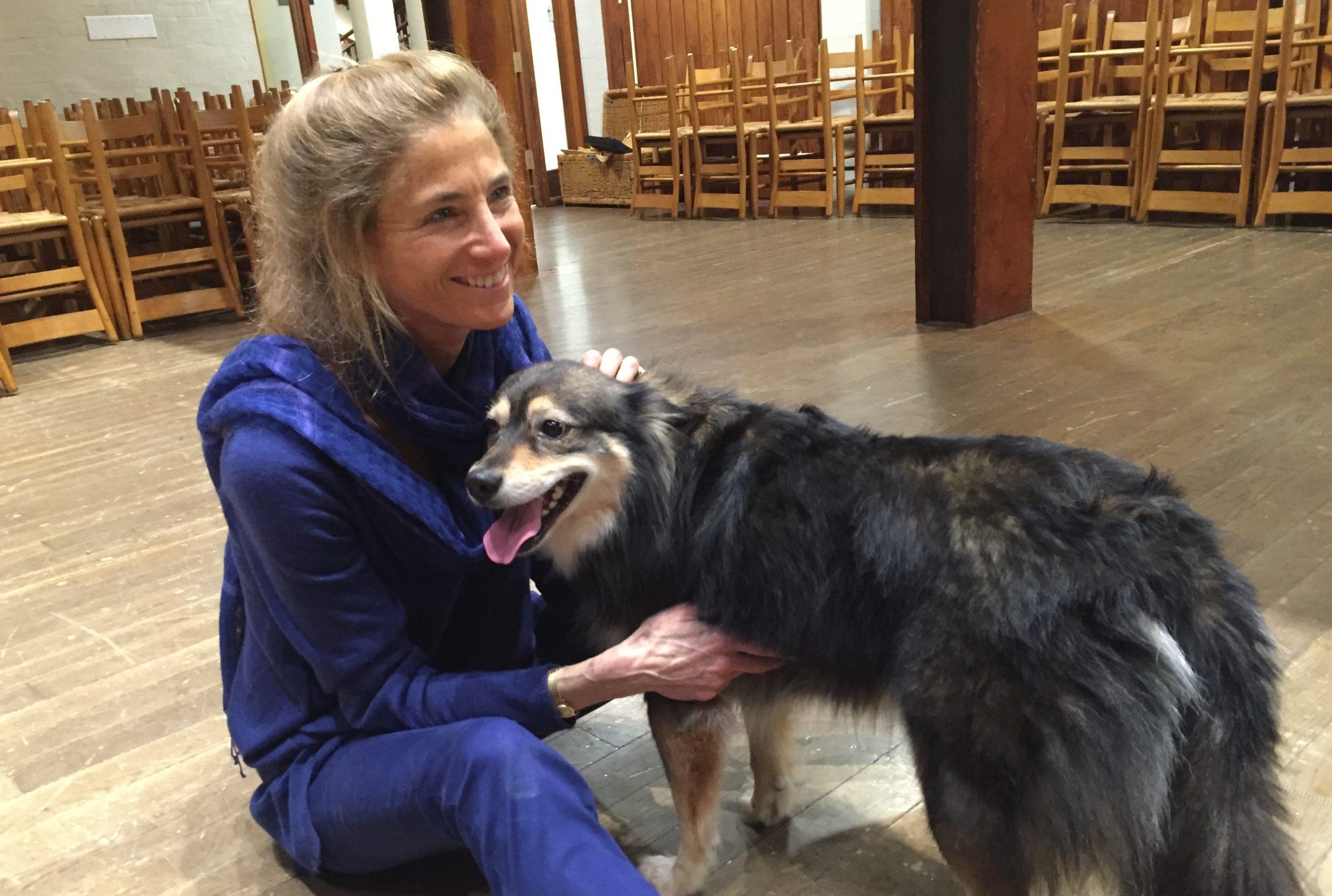
Tara Brach's poignant assertion, "Your true self is the one watching all of this," invites us to explore the depths of our consciousness and the nature of our identity. In a world often dominated by the chaos of thoughts, emotions, and external circumstances, this quote serves as a gentle reminder of the observer within us—the part that remains untouched by the fluctuations of life. Recognizing this true self is not merely an intellectual exercise; it is a profound journey toward liberation and inner peace.
As we navigate the complexities of our existence, the invitation to connect with our true self becomes increasingly vital. This self, the witness, is not defined by our experiences, nor is it limited by our thoughts and feelings. Instead, it exists in a realm of pure awareness, allowing us to step back from the tumult of life and observe it with clarity and compassion. Understanding this distinction can transform our relationship with ourselves and the world around us, leading to a more authentic and fulfilling existence.
The image / the metaphor
The imagery in Brach's quote evokes a sense of spaciousness and detachment. The phrase "the one watching" suggests a conscious observer, a presence that is aware yet not entangled in the drama of life. This witness is akin to a calm lake reflecting the changing sky; it remains serene while the winds of thought and emotion ripple across its surface. The verbs chosen—"watching"—imply a gentle, non-judgmental awareness, inviting us to cultivate a sense of mindfulness that allows us to witness our experiences without becoming overwhelmed by them.
Diving deeper into this metaphor, we can envision the true self as a vast sky, while our thoughts and emotions are like clouds passing through. Just as the sky remains unchanged regardless of the weather, our true self remains constant amidst the ever-shifting landscape of our inner and outer worlds. This perspective encourages us to embrace the transient nature of our experiences, recognizing that they do not define us but rather contribute to the rich tapestry of our lives.
In the speaker's tradition
Tara Brach's teachings are deeply rooted in Buddhist philosophy, particularly the concepts of awareness and non-attachment. In Buddhism, the notion of the witness aligns with the practice of mindfulness, which encourages us to observe our thoughts and feelings without clinging to them. This practice is essential for cultivating a sense of equanimity and understanding the nature of suffering, as articulated in the Four Noble Truths. By recognizing the witness within, we can begin to dissolve the illusions of self and experience the interconnectedness of all beings.
Living the teaching
Consider a modern scenario where this teaching might resonate: you find yourself caught in a cycle of anxiety about an upcoming presentation at work. The thoughts swirl—what if I forget my lines? What if they don’t like my ideas? In this moment, the invitation to connect with your true self becomes crucial. By stepping back and recognizing the witness within, you can observe these anxious thoughts without becoming consumed by them. This awareness allows you to approach the situation with a sense of calm, enabling you to perform authentically rather than from a place of fear.
Another application of this teaching can be found in relationships, particularly during conflicts. Imagine a heated argument with a loved one, where emotions run high and misunderstandings abound. By tapping into the witness within, you can observe your reactions and the dynamics at play without immediately reacting. This practice of mindful observation can create space for compassion and understanding, allowing both parties to express themselves more clearly and fostering a deeper connection. In this way, the true self becomes a source of healing and reconciliation.
A reflection
As we contemplate Tara Brach's profound words, we are invited to ask ourselves: "In moments of turmoil, can I pause and connect with the witness within me?" This question encourages us to cultivate a practice of awareness, allowing us to step back from our experiences and observe them with clarity and compassion. By embracing this perspective, we can navigate the complexities of life with greater ease and authenticity, ultimately leading us to a deeper understanding of ourselves and our place in the world.

Join the BrightStar Community
Stay connected with daily inspiration, event announcements, and community wisdom