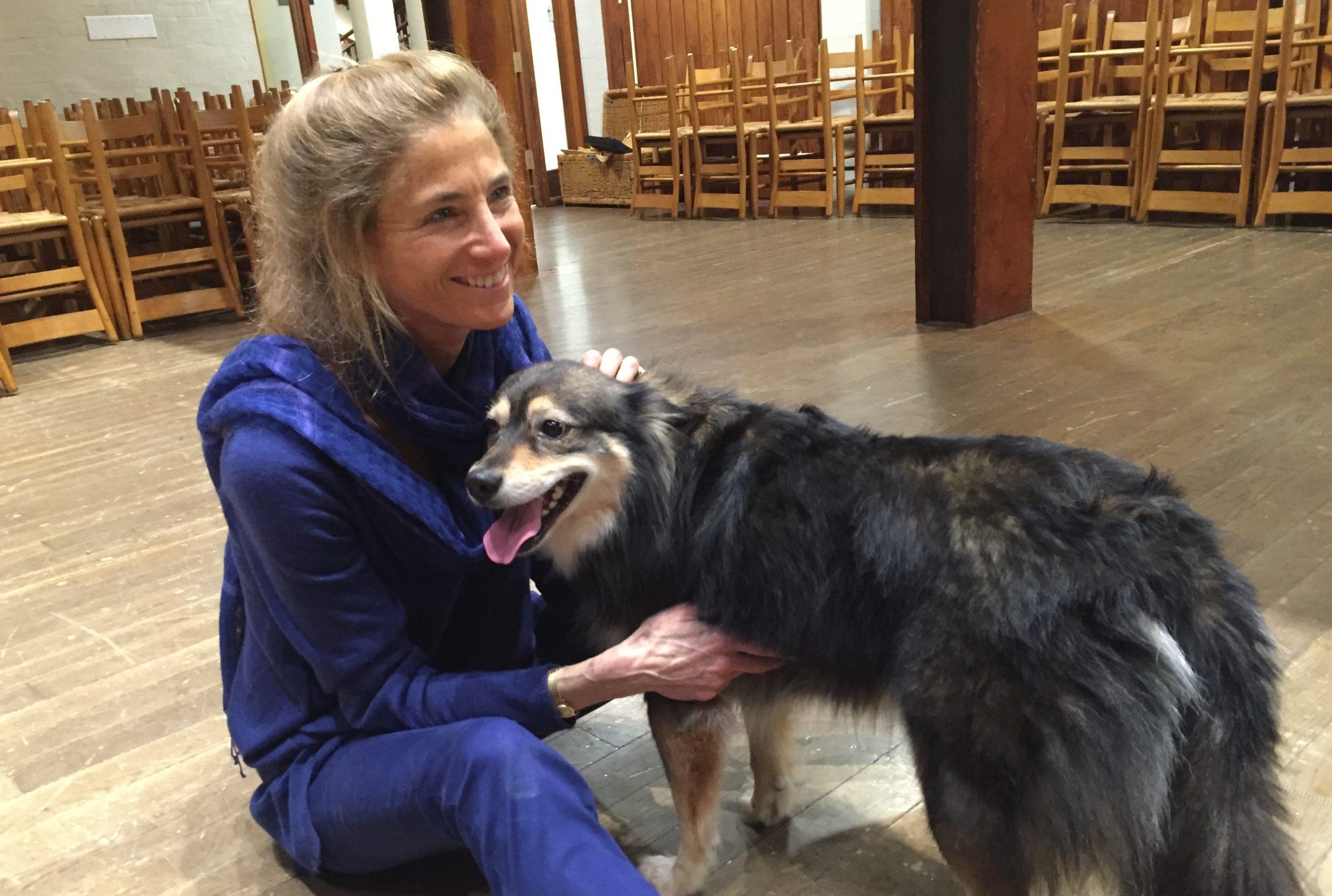
Embracing Our Cosmic Belonging
Tara Brach's poignant assertion, "You belong to the earth, the sky, the great mystery," invites us to recognize our intrinsic connection to the vast tapestry of existence. This statement is not merely a poetic reflection; it is a profound reminder of our place within the universe. In a world often marked by isolation and disconnection, Brach's words serve as a gentle nudge towards understanding that we are not separate entities but integral parts of a larger whole. This realization holds the potential to transform our experience of life, fostering a sense of belonging that transcends the confines of our individual selves.
As we delve deeper into this quote, we uncover layers of meaning that resonate with the core of human experience. The notion of belonging evokes feelings of safety, acceptance, and unity, while simultaneously confronting us with the mystery of existence itself. To belong to the earth and sky is to acknowledge our physical and spiritual roots, grounding us in the present moment. The "great mystery" alludes to the unknown aspects of life that invite curiosity and wonder, urging us to embrace uncertainty rather than shy away from it. This interplay between belonging and mystery is essential for cultivating a life rich in meaning and connection.
The image / the metaphor
The imagery in Brach's quote is striking and evocative. To "belong to the earth" conjures visions of fertile soil, ancient trees, and the cycles of nature that sustain life. It suggests a deep-rooted connection to the physical world, reminding us that our bodies are composed of the very elements that make up the planet. When we consider belonging to the "sky," we are invited to reflect on the vastness above us, the ever-changing clouds, and the stars that have guided humanity for millennia. The verbs "belong" and "mystery" evoke a sense of intimacy and wonder, suggesting that our relationship with the universe is both personal and profound.
Diving deeper into the metaphor, we can see that belonging is not merely a passive state but an active engagement with the world around us. To belong to the earth and sky is to participate in the dance of life, to recognize our role in the interconnected web of existence. The "great mystery" serves as a reminder that life is not always meant to be understood; it is to be experienced. This acceptance of the unknown can lead to a more profound appreciation of our journey, encouraging us to embrace both the joys and challenges that life presents.
In the speaker's tradition
Tara Brach's teachings are deeply rooted in Buddhist philosophy, where concepts such as interdependence and the nature of reality play a central role. The idea of belonging to the earth and sky reflects the Buddhist understanding of *sunyata*, or emptiness, which posits that all phenomena are interconnected and lack inherent existence. This interconnectedness fosters a sense of belonging that transcends individual identity, inviting us to recognize that we are part of a larger cosmic narrative. Additionally, the practice of *bhakti*, or devotion, encourages us to cultivate love and compassion for all beings, further reinforcing our connection to the world.
In her work, Brach often references the importance of mindfulness and presence, which align with the teachings found in the *Dhammapada*. This ancient text emphasizes the significance of awareness in our daily lives, urging practitioners to cultivate a deep understanding of their thoughts and actions. By recognizing our belonging to the earth, sky, and the great mystery, we can embody the principles of mindfulness, allowing us to navigate life with greater clarity and compassion.
Living the teaching
Consider a modern scenario where the teaching of belonging resonates deeply: a moment of solitude in nature. Imagine standing on a hillside, surrounded by the rustling leaves and the gentle caress of the wind. In this space, one can feel the profound connection to the earth beneath your feet and the sky stretching infinitely above. This experience serves as a reminder that we are not isolated beings but rather participants in a grand, interconnected ecosystem. Such moments can awaken a sense of gratitude and belonging, allowing us to appreciate the beauty of existence and our place within it.
Another application of this teaching can be found in the realm of relationships. When faced with conflict or misunderstanding, reflecting on our belonging to the earth and the great mystery can foster empathy and compassion. Instead of viewing others as separate from ourselves, we can recognize that we share a common humanity, shaped by our experiences and struggles. This perspective encourages us to approach difficult conversations with openness and understanding, ultimately deepening our connections with others and reinforcing our sense of belonging in the world.
A reflection
As we contemplate Tara Brach's words, we are invited to explore the nature of our own belonging. What does it mean for you to belong to the earth, the sky, and the great mystery? In what ways can you cultivate a deeper connection to the world around you, embracing both the known and the unknown? Allow these questions to guide your reflections, inviting you to explore the richness of your existence and the profound interconnectedness that binds us all.




Join the BrightStar Community
Stay connected with daily inspiration, event announcements, and community wisdom