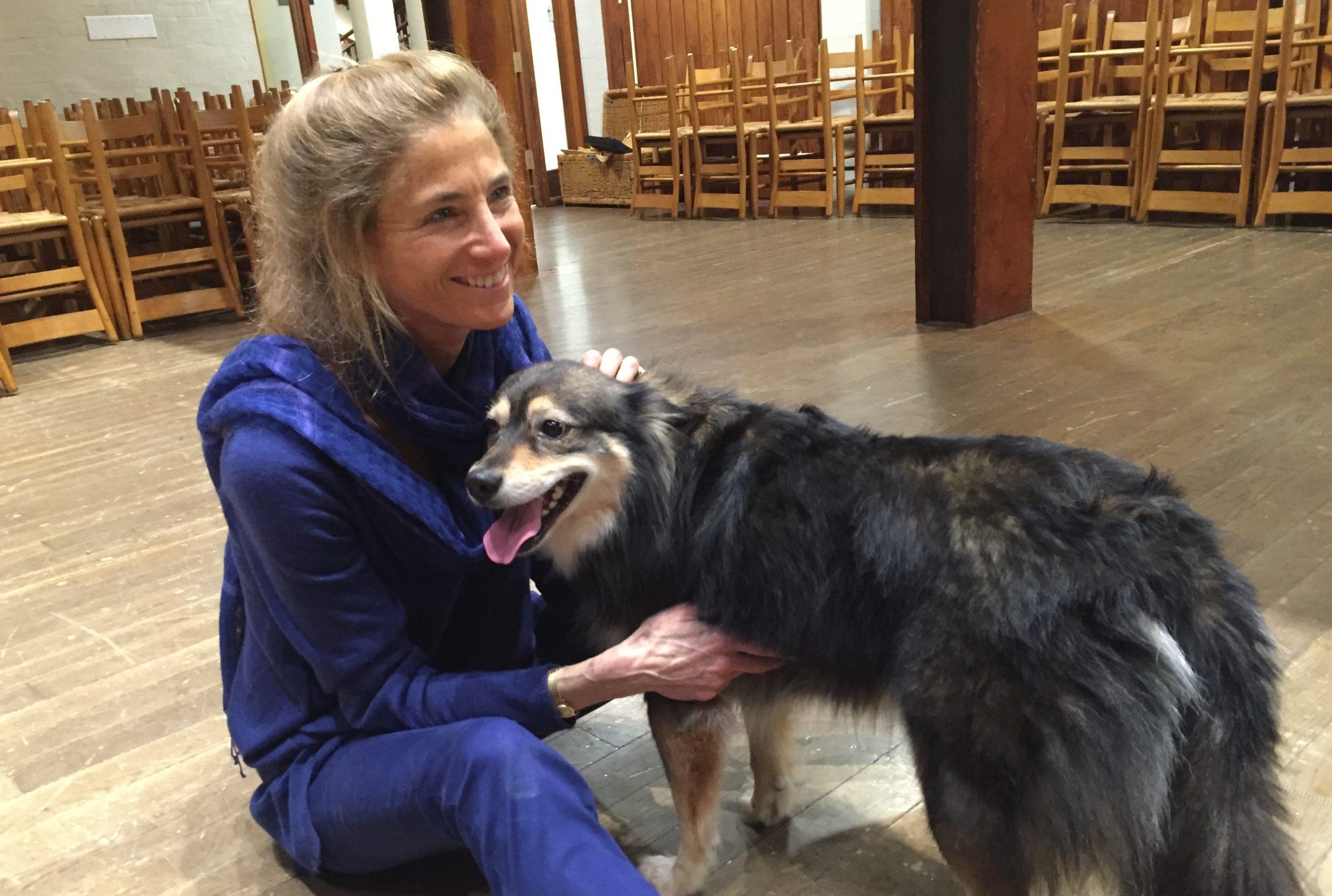
Awakening to the Witness Within
In her profound assertion, "You are not your thoughts. You are the awareness that sees them," Tara Brach invites us to explore the distinction between our thoughts and the deeper consciousness that observes them. This differentiation is crucial in a world where we often conflate our identities with our mental narratives. Recognizing ourselves as the witness rather than the thinker can liberate us from the confines of our habitual thought patterns, allowing for a more expansive experience of being. This understanding is not merely philosophical; it has the power to transform our daily lives and emotional landscapes.
Delving deeper into this quote reveals a fundamental truth about human experience: our thoughts are transient, often chaotic, and not necessarily reflective of reality. By cultivating awareness, we can step back from the incessant chatter of the mind and observe our thoughts with a sense of detachment. This practice of awareness fosters a profound sense of peace and clarity, enabling us to navigate life's challenges with greater ease. It is an invitation to embrace a more authentic self, one that exists beyond the noise of our mental constructs.
The image / the metaphor
The imagery in Brach's quote evokes a sense of spaciousness and clarity. The verb "see" suggests an active engagement with our inner landscape, where awareness acts as a lens through which we can observe our thoughts without judgment. This perspective creates a vivid contrast between the swirling currents of thought and the still, expansive nature of awareness. The metaphor of being a witness implies a sense of neutrality and acceptance, allowing us to acknowledge our thoughts without becoming entangled in them.
In the speaker's tradition
Tara Brach's teachings are deeply rooted in Buddhist philosophy, particularly the concepts of mindfulness and non-attachment. In Buddhism, the notion of "anatta," or non-self, aligns closely with Brach's assertion. This principle teaches that the self is not a fixed entity but rather a collection of experiences, thoughts, and perceptions. By recognizing that we are not our thoughts, we can begin to dismantle the illusion of a permanent self, allowing for greater freedom and compassion in our lives.
Furthermore, Brach's emphasis on awareness resonates with the practice of "vipassana," or insight meditation, which encourages practitioners to observe their thoughts and feelings without attachment. In her book, "True Refuge," she draws on these teachings to guide individuals toward a deeper understanding of their inner experiences. The practice of cultivating awareness serves as a pathway to liberation, echoing the teachings found in the Pali Canon, where the Buddha emphasizes the importance of mindfulness in achieving enlightenment.
Living the teaching
Consider a modern scenario where this teaching can be applied: imagine a moment of stress at work, where deadlines loom and expectations weigh heavily. In such a situation, thoughts may spiral into anxiety, leading to a sense of overwhelm. By practicing the awareness that Brach describes, one can pause and observe these thoughts as they arise, recognizing them as mere mental events rather than definitive truths. This shift in perspective can create a sense of calm, allowing for more thoughtful responses rather than reactive behaviors.
Another application of this teaching can be found in interpersonal relationships. During a disagreement with a loved one, it is easy to become entangled in negative thoughts about the other person or oneself. By embodying the role of the witness, one can step back and observe these thoughts without judgment, creating space for empathy and understanding. This practice not only fosters healthier communication but also deepens the connection between individuals, as they learn to navigate their differences with awareness and compassion.
A reflection
As we contemplate Brach's insightful words, we are invited to explore the nature of our own awareness. How often do we find ourselves lost in thought, identifying with our mental narratives rather than observing them? In moments of stillness, we can ask ourselves: What happens when I shift my focus from my thoughts to the awareness that perceives them? This simple yet profound inquiry can open the door to a deeper understanding of our true selves, inviting us to embrace the spaciousness of awareness in our daily lives.



Join the BrightStar Community
Stay connected with daily inspiration, event announcements, and community wisdom