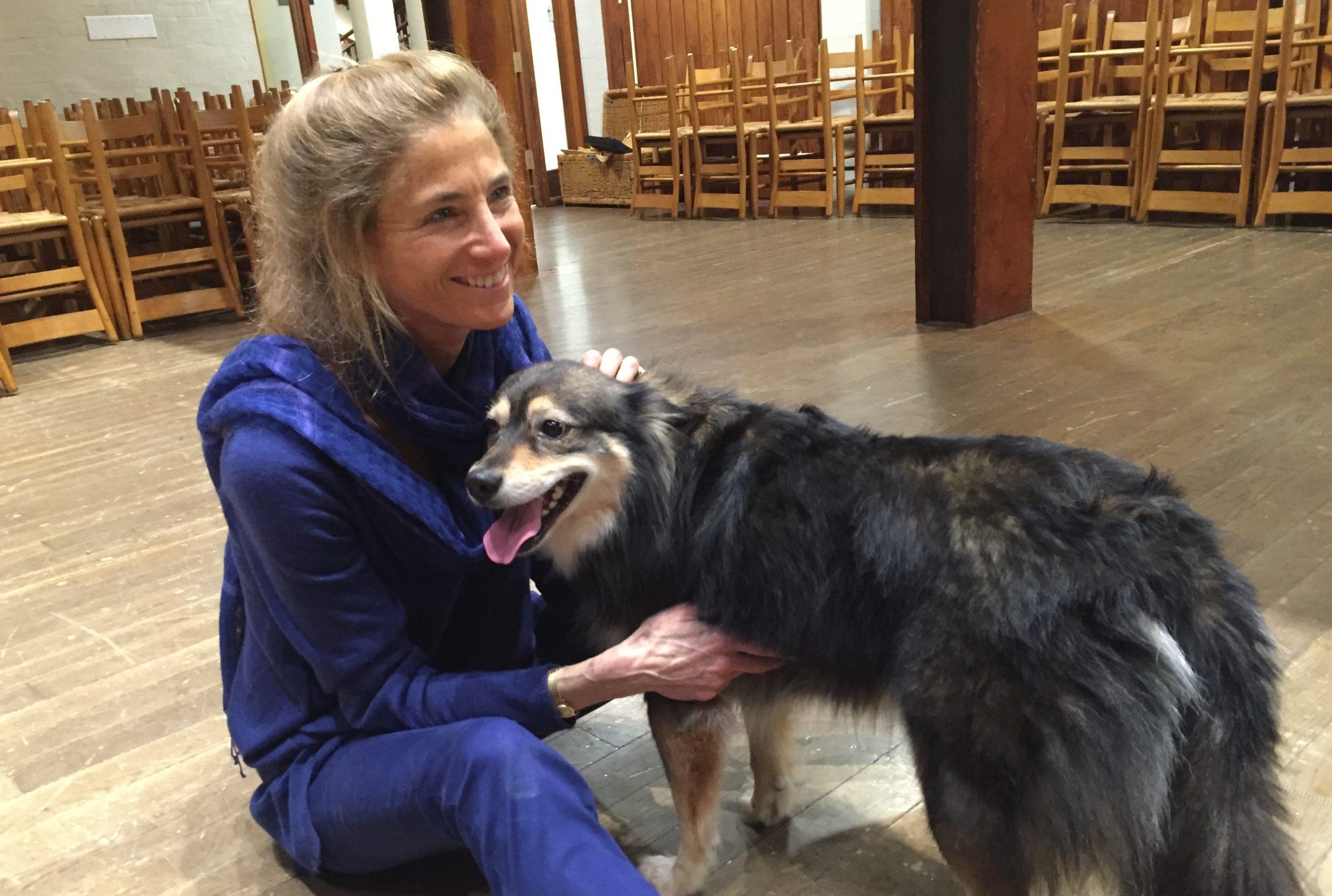
The Liberation of Presence: Embracing the Moment Beyond Judgment
Tara Brach's assertion that "when we are truly present, judgment falls away" invites us to explore the profound connection between mindfulness and the release of our critical faculties. In a world often dominated by the incessant chatter of our minds, this quote serves as a gentle reminder of the transformative power of presence. It suggests that when we anchor ourselves in the here and now, the habitual judgments that cloud our perceptions dissipate, allowing for a more authentic experience of life. This realization is not merely philosophical; it has the potential to reshape our relationships, our self-perception, and our overall well-being.
Delving deeper, we recognize that the act of being present is not simply about awareness; it is about cultivating a state of openness and acceptance. In this space, we can observe our thoughts and feelings without the weight of judgment, which often leads to suffering. The essence of Brach's message resonates with the core teachings of Buddhism, where the practice of mindfulness is a pathway to liberation. By letting go of judgment, we create a fertile ground for compassion, both for ourselves and others, fostering a sense of connection that transcends the barriers we often erect through our critical lenses.
The image / the metaphor
The imagery in Brach's quote evokes a sense of clarity and lightness. To be "truly present" conjures the idea of being fully engaged with the moment, as if shedding layers of distraction and preconception. The verbs "are" and "falls away" suggest a dynamic process—presence is not a static state but an active engagement with life as it unfolds. This presence allows us to witness our thoughts and feelings without the harsh glare of judgment, creating a softer, more compassionate inner landscape.
Metaphorically, the act of judgment can be likened to a heavy fog that obscures our vision. When we are clouded by preconceived notions and critical assessments, we struggle to see the beauty and complexity of our experiences. In contrast, presence acts as a clearing, allowing us to perceive the world with fresh eyes. This metaphor invites us to consider how often we allow judgment to dictate our responses, and how liberating it can be to step into the light of awareness, where acceptance reigns.
In the speaker's tradition
Tara Brach's teachings are deeply rooted in the Buddhist tradition, where concepts such as dharma, mindfulness, and compassion are central. The notion of "sunyata," or emptiness, resonates with the idea that our judgments are often projections of our own fears and insecurities. By embracing presence, we can touch the essence of sunyata, recognizing that our thoughts are not fixed realities but transient phenomena. This understanding encourages a sense of spaciousness within, allowing us to navigate our experiences with greater ease and openness.
In her book "True Refuge," Brach draws upon the teachings of the Buddha, particularly the Four Noble Truths, which illuminate the nature of suffering and the path to liberation. The practice of mindfulness, as outlined in the Satipatthana Sutta, emphasizes the importance of being present with our thoughts, feelings, and bodily sensations. By cultivating this awareness, we can begin to dismantle the habitual judgments that lead to suffering, ultimately finding refuge in the present moment.
Living the teaching
Consider a modern scenario where this teaching can be applied: imagine a busy day at work, filled with deadlines and distractions. In the midst of this chaos, a colleague approaches you with a concern. If you are preoccupied with your own judgments about the situation—perhaps feeling rushed or critical—you may miss the opportunity to truly listen and connect. However, if you can pause and ground yourself in the present moment, allowing judgment to fall away, you create space for empathy and understanding, transforming a potentially tense interaction into a moment of genuine connection.
This teaching also finds resonance in our personal relationships. Picture a moment of conflict with a loved one, where emotions run high and judgments are easily cast. By practicing presence, you can step back from the urge to react defensively. Instead, you might choose to breathe deeply, acknowledge your feelings, and listen with an open heart. In doing so, you not only honor your own experience but also create an environment where your loved one feels seen and heard, fostering deeper intimacy and understanding.
A reflection
As we contemplate Brach's profound insight, we are invited to reflect on our own lives: In what moments do we find ourselves caught in the web of judgment? How might our experiences shift if we were to embrace presence instead? This inquiry encourages us to explore the spaces where we can cultivate mindfulness, allowing us to release the judgments that hinder our connections with ourselves and others. By embracing this practice, we open ourselves to the richness of life as it unfolds, free from the constraints of our critical minds.



Join the BrightStar Community
Stay connected with daily inspiration, event announcements, and community wisdom