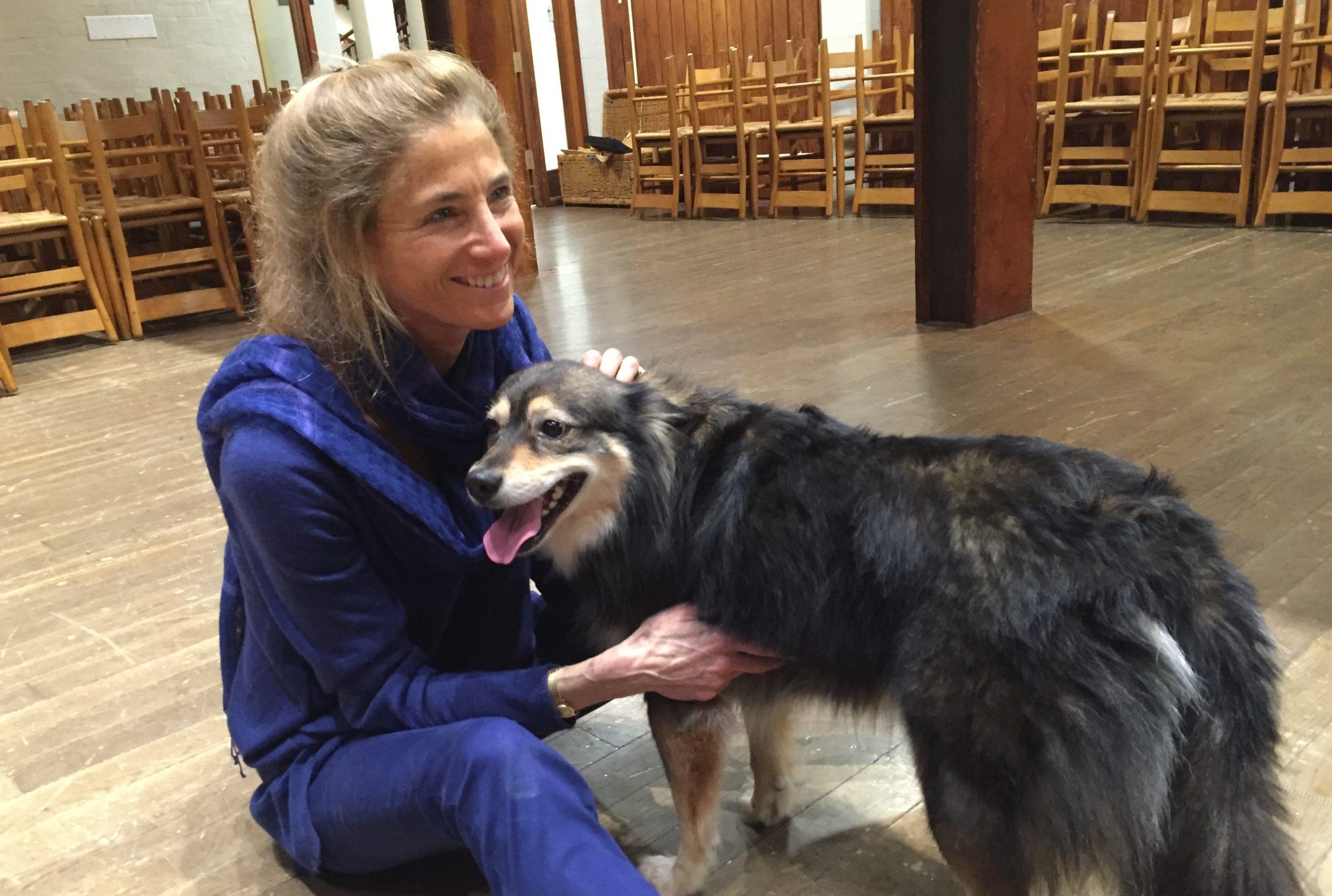
Embracing the Flow of Life: Trusting the Unfolding
“Trust the unfolding.” This simple yet profound statement by Tara Brach invites us to cultivate a deep sense of trust in the natural progression of our lives. It speaks to the heart of human experience, where uncertainty and change are constants. In a world that often feels chaotic and unpredictable, this teaching encourages us to surrender to the flow of existence, allowing life to reveal itself in its own time and manner. The stakes are high; our ability to trust the unfolding can lead to greater peace, resilience, and a more profound connection with ourselves and others.
At its core, this quote challenges us to release our grip on control and embrace the inherent uncertainty of life. It asks us to recognize that the journey is as significant as the destination, and that each moment holds the potential for growth and transformation. By trusting the unfolding, we open ourselves to the richness of our experiences, allowing them to shape us rather than resisting them. This perspective not only fosters a sense of inner calm but also nurtures our capacity for compassion and understanding in the face of life's inevitable challenges.
The image / the metaphor
The phrase “trust the unfolding” conjures a vivid image of a flower blooming in its own time. Just as a bud gradually opens to reveal its petals, so too does our life journey reveal itself layer by layer. The verb “trust” implies a deep-seated faith, an assurance that what is meant to happen will happen, even if we cannot see the full picture. This imagery evokes a sense of patience and acceptance, reminding us that life’s beauty often lies in its gradual emergence rather than in immediate gratification.
In the speaker's tradition
Tara Brach’s teaching is deeply rooted in Buddhist philosophy, where concepts such as dharma and sunyata resonate with the idea of trusting the unfolding. Dharma, often translated as the natural law or truth, encourages us to align ourselves with the flow of life, recognizing that each moment is an opportunity for learning and growth. Sunyata, or emptiness, invites us to let go of rigid attachments and preconceived notions, allowing us to experience life as it is rather than how we wish it to be. In this context, trusting the unfolding becomes an act of surrendering to the wisdom of the present moment.
In her work, Brach often references the teachings of the Buddha, particularly the Four Noble Truths, which emphasize the importance of understanding suffering and the nature of existence. The practice of mindfulness, a cornerstone of Buddhist meditation, aligns beautifully with the idea of trusting the unfolding. By cultivating awareness of our thoughts and feelings without judgment, we learn to embrace the present moment, fostering a sense of trust in the process of life itself. This practice not only deepens our understanding of ourselves but also enhances our capacity for compassion towards others as we recognize the shared human experience of uncertainty.
Living the teaching
Consider a modern scenario where trusting the unfolding can be particularly poignant: the experience of job loss. In a society that often equates self-worth with professional success, losing a job can feel like a devastating blow. However, if one were to embrace Brach’s teaching, this moment could be seen as an opportunity for reflection and growth. Rather than succumbing to despair, one might trust that this unfolding is a chance to explore new paths, rediscover passions, or even pivot towards a more fulfilling career. By allowing the situation to unfold, rather than forcing a quick resolution, individuals can find clarity and purpose in what may initially seem like a setback.
Another application of this teaching can be found within relationships. Imagine navigating a difficult conversation with a loved one, where emotions run high and misunderstandings abound. Trusting the unfolding in this context means allowing the conversation to evolve naturally, rather than trying to control the outcome or rush to a resolution. It invites patience and openness, creating space for vulnerability and authentic connection. By trusting that the relationship will reveal its truths in time, we cultivate a deeper understanding of ourselves and our loved ones, ultimately strengthening the bonds we share.
A reflection
As we reflect on Tara Brach’s invitation to “trust the unfolding,” we might ask ourselves: What areas of my life am I struggling to accept as they are? In what ways can I cultivate a greater sense of trust in the natural flow of my experiences? This contemplative question encourages us to explore our relationship with uncertainty and to consider how we might embrace the unfolding of our lives with grace and openness. By engaging with this inquiry, we can deepen our understanding of ourselves and our place within the ever-changing tapestry of existence.



Join the BrightStar Community
Stay connected with daily inspiration, event announcements, and community wisdom