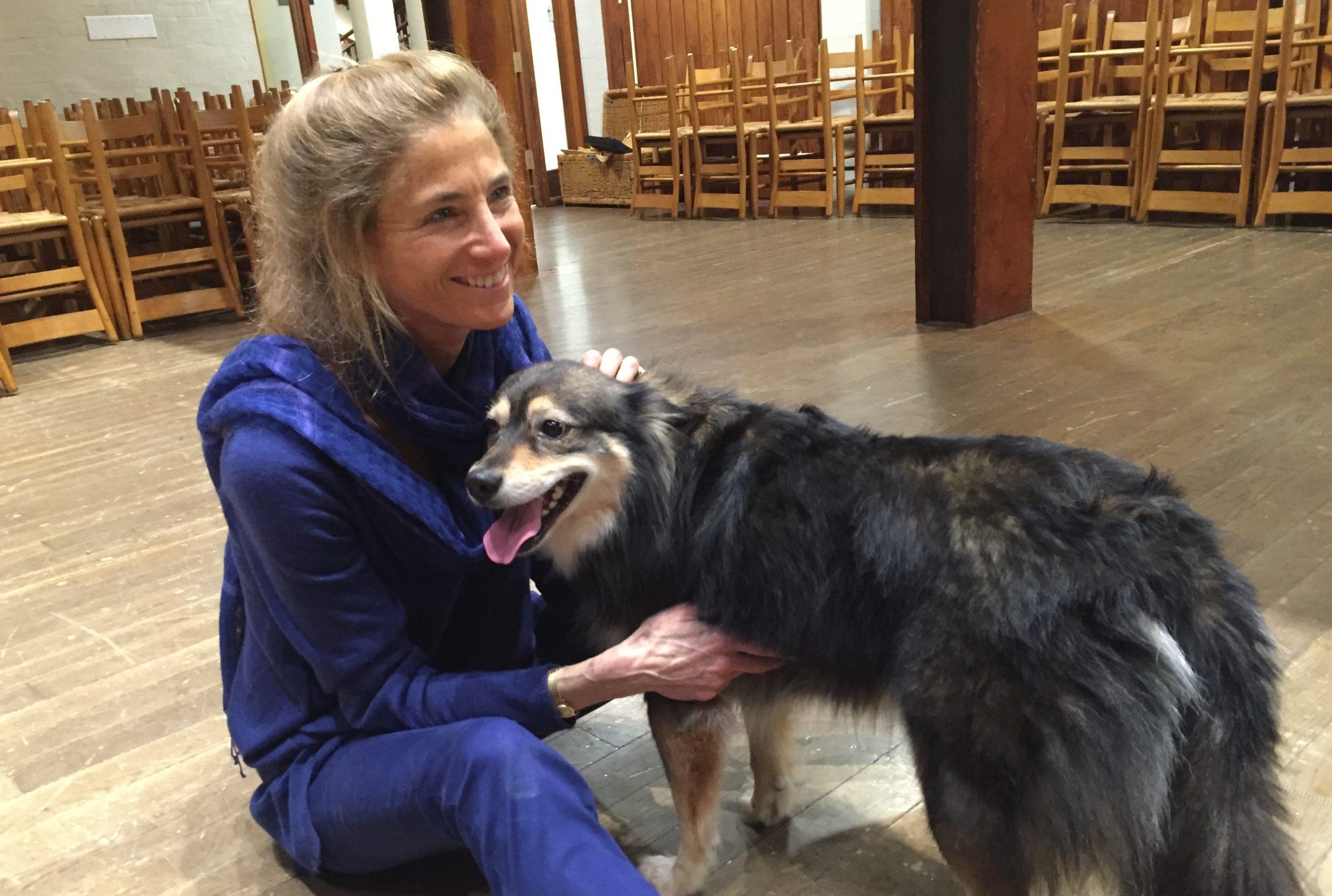
The Rest Beyond Rest: Embracing Pure Awareness
Tara Brach's assertion that "there is a deeper rest available than sleep — the rest of pure awareness" invites us to explore a profound dimension of existence that transcends our conventional understanding of rest. In a world that often equates rest with mere physical cessation, Brach encourages us to seek a more enriching form of repose, one rooted in the depths of our consciousness. This deeper rest is not merely the absence of activity but a state of being that fosters clarity, peace, and a connection to the essence of life itself. Recognizing this distinction is crucial, as it opens pathways to healing and transformation in our often chaotic lives.
As we delve into the essence of this quote, we begin to understand that the rest of pure awareness is not a passive state but an active engagement with the present moment. It is a call to awaken to the richness of our experiences, to cultivate a mindful presence that allows us to fully inhabit our lives. This deeper rest invites us to step away from the incessant chatter of the mind and the demands of the external world, leading us to a sanctuary within ourselves where true peace resides. In this exploration, we find that the journey toward pure awareness is as vital as the destination itself, offering us insights that can transform our understanding of rest and presence.
The image / the metaphor
The imagery in Brach's quote evokes a sense of depth and expansiveness, suggesting that rest is not merely a physical state but a profound experience of awareness. The phrase "deeper rest" implies layers of existence, hinting at the idea that beneath the surface of our everyday lives lies a reservoir of tranquility waiting to be tapped. The use of "pure awareness" further emphasizes a state of clarity and presence, free from the distractions and disturbances that often cloud our minds. This metaphorical landscape invites us to envision rest as a journey inward, where we can discover the stillness that exists beyond the noise of our thoughts and the busyness of our lives.
Diving deeper into this metaphor, we can see that the "rest of pure awareness" serves as a reminder that true rest is not found in the absence of activity but in the quality of our engagement with life. It suggests a shift from a reactive mode of existence, where we are constantly responding to external stimuli, to a more reflective state where we can observe our thoughts and feelings without attachment. This deeper rest is akin to a still pond, undisturbed by the winds of distraction, allowing us to see our true nature reflected in its depths. In this way, Brach's words encourage us to cultivate a practice of awareness that nurtures our inner peace and fosters a sense of connection to the world around us.
In the speaker's tradition
Tara Brach's teachings are deeply rooted in Buddhist philosophy, particularly the concepts of mindfulness and awareness as pathways to liberation. In Buddhism, the notion of "sunyata," or emptiness, resonates with the idea of pure awareness, suggesting that by letting go of our attachments and preconceived notions, we can access a state of profound peace. This aligns with the practice of "dharma," which encourages us to live in accordance with the truth of our experiences, fostering a sense of clarity and understanding. Brach's emphasis on awareness as a form of rest invites us to engage with these teachings, recognizing that true liberation comes from within.
Moreover, Brach's insights can be likened to the teachings found in the "Heart Sutra," which articulates the essence of emptiness and the interconnectedness of all beings. The sutra states, "Form is emptiness, emptiness is form," highlighting the idea that our perceptions of reality are shaped by our awareness. By embracing this understanding, we can cultivate a deeper sense of rest that transcends the physical realm, allowing us to connect with the essence of our being. This connection to the teachings of Buddhism enriches our understanding of Brach's quote, inviting us to explore the profound depths of awareness as a source of true rest.
Living the teaching
Consider a modern scenario where the demands of daily life leave us feeling exhausted and disconnected. In such moments, we often seek rest through sleep or distractions, yet these solutions may only provide temporary relief. By applying Brach's teaching, we can shift our focus from seeking external forms of rest to cultivating a practice of pure awareness. For instance, during a hectic day, we might take a few moments to pause, breathe deeply, and bring our attention to the present moment. This simple act of mindfulness can create a profound sense of rest, allowing us to reconnect with ourselves and the world around us.
In relationships, the practice of pure awareness can also transform our interactions. Imagine a moment of conflict with a loved one, where emotions run high and communication breaks down. Instead of reacting impulsively, we can choose to embody the rest of pure awareness by taking a step back, observing our thoughts and feelings without judgment. This mindful approach not only fosters a deeper understanding of ourselves but also creates space for compassion and connection with the other person. By embracing Brach's teaching, we can navigate challenging moments with grace, allowing the rest of pure awareness to guide our responses and deepen our relationships.
A reflection
As we contemplate Tara Brach's profound words, we are invited to explore the nature of our own rest and awareness. What does it mean for you to experience the rest of pure awareness in your life? In moments of stillness, how can you cultivate a deeper connection to your inner self and the world around you? Reflecting on these questions can illuminate the pathways toward a more profound sense of peace and presence, guiding us toward the deeper rest that awaits us all.
Join the BrightStar Community
Stay connected with daily inspiration, event announcements, and community wisdom