Embracing the Eternal in the Breath of Now
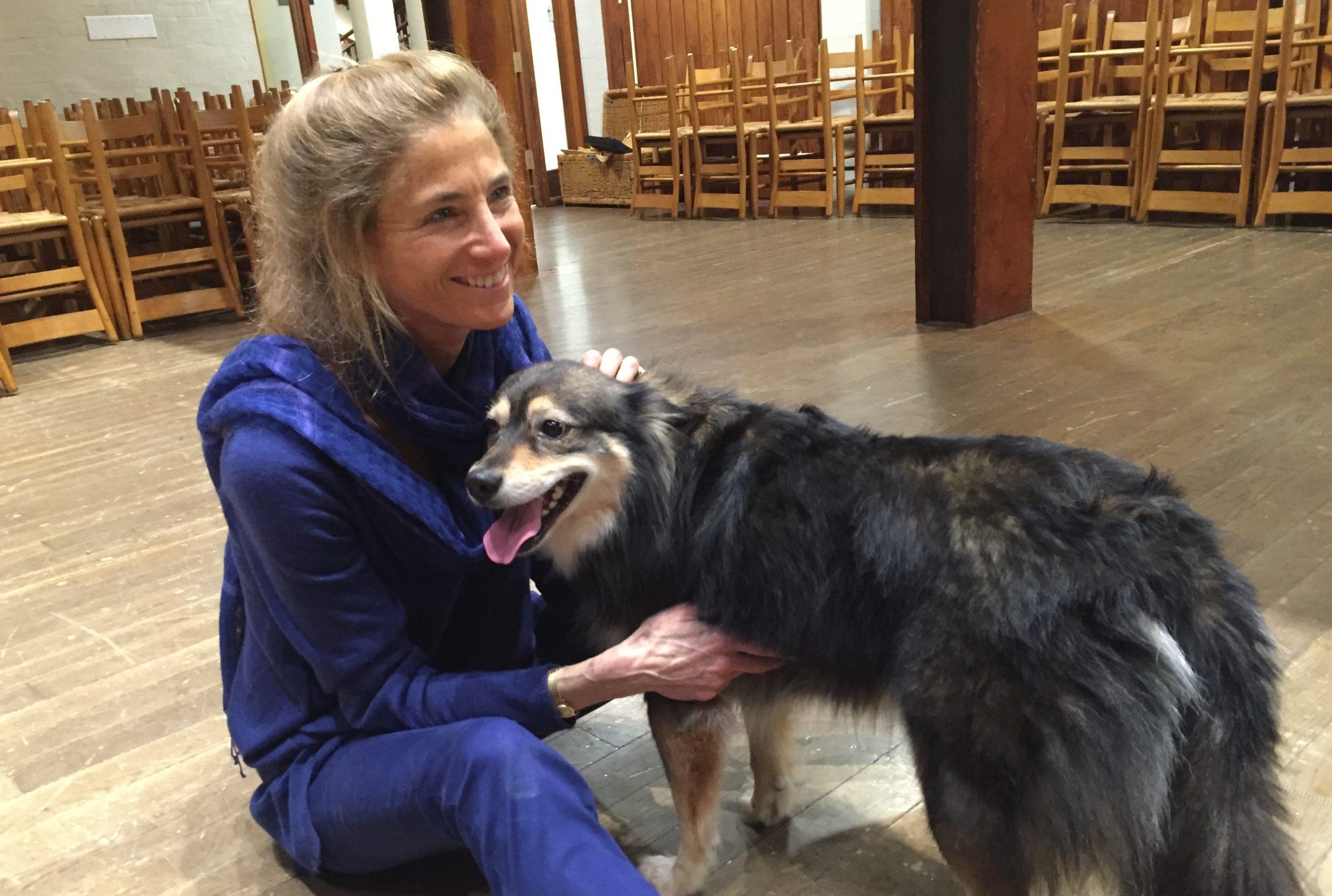
Tara Brach's poignant assertion, "The pause between breaths is where eternity lives," invites us to explore the profound significance of presence in our lives. This quote serves as a gentle reminder that within the fleeting moments of stillness, we can access a deeper sense of being that transcends the mundane. In a world often characterized by chaos and distraction, recognizing the sacredness of each breath can lead us to a more meaningful existence, where time and eternity converge.
In this exploration, we are beckoned to consider the transformative power of mindfulness and the art of being present. The act of breathing, often taken for granted, becomes a portal to the eternal, urging us to pause and reflect on the richness of our experiences. By cultivating awareness of the spaces between our breaths, we can discover a sanctuary of peace and clarity, allowing us to reconnect with our true selves and the world around us.
The image / the metaphor
The imagery in Brach's quote evokes a sense of stillness and tranquility, suggesting that the brief interlude between breaths holds a treasure trove of insight. The choice of the word "pause" implies a deliberate act of slowing down, inviting us to step away from the relentless pace of life. This moment of suspension is not merely an absence of breath; rather, it is a rich, fertile ground where awareness can flourish and the essence of eternity can be felt.
Diving deeper into the metaphor, the pause between breaths symbolizes a profound opportunity for introspection and connection. It represents the space where thoughts dissolve, and the noise of the external world fades into silence. In this sacred pause, we can access a timeless dimension of existence, where our worries and fears dissipate, allowing us to experience the fullness of the present moment. This metaphor encourages us to embrace stillness as a vital aspect of our spiritual journey.
In the speaker's tradition
Tara Brach's teachings are deeply rooted in Buddhist philosophy, where concepts such as mindfulness and presence are central to the path of awakening. The idea of "sunyata," or emptiness, resonates with the notion of the pause between breaths, as it invites us to let go of attachments and preconceived notions. In this space of emptiness, we can encounter the fullness of our being and the interconnectedness of all life, fostering a sense of compassion and understanding.
In her book "True Refuge," Brach emphasizes the importance of cultivating awareness and compassion as a means to navigate the challenges of life. This aligns with the Buddhist practice of "bhakti," or devotion, which encourages us to surrender to the present moment and embrace the divine within ourselves and others. By recognizing the eternal within the transient, we can cultivate a deeper sense of peace and connection, allowing us to live more fully in each moment.
Living the teaching
Consider a modern scenario where the teaching of Brach's quote can be applied: a busy professional navigating the demands of a hectic workday. In the midst of deadlines and meetings, taking a moment to pause and focus on the breath can serve as a powerful reset. This simple act of mindfulness can create a space for clarity and calm, enabling the individual to approach challenges with a renewed sense of purpose and presence.
Another application of this teaching can be found in interpersonal relationships, particularly during moments of conflict or tension. When faced with a disagreement, pausing to breathe and reflect before responding can transform the interaction. This practice allows for a deeper understanding of oneself and the other person, fostering empathy and compassion. By embracing the pause, we can cultivate healthier connections and navigate the complexities of human relationships with grace.
A reflection
As we contemplate Tara Brach's insightful words, we are invited to reflect on the nature of our own pauses. How often do we allow ourselves the gift of stillness in our daily lives? In what ways can we cultivate a deeper awareness of the spaces between our breaths, and how might this practice transform our experience of time and presence? Embracing these contemplative questions can lead us to a richer understanding of our existence and the eternal moments that reside within us.
Join the BrightStar Community
Stay connected with daily inspiration, event announcements, and community wisdom