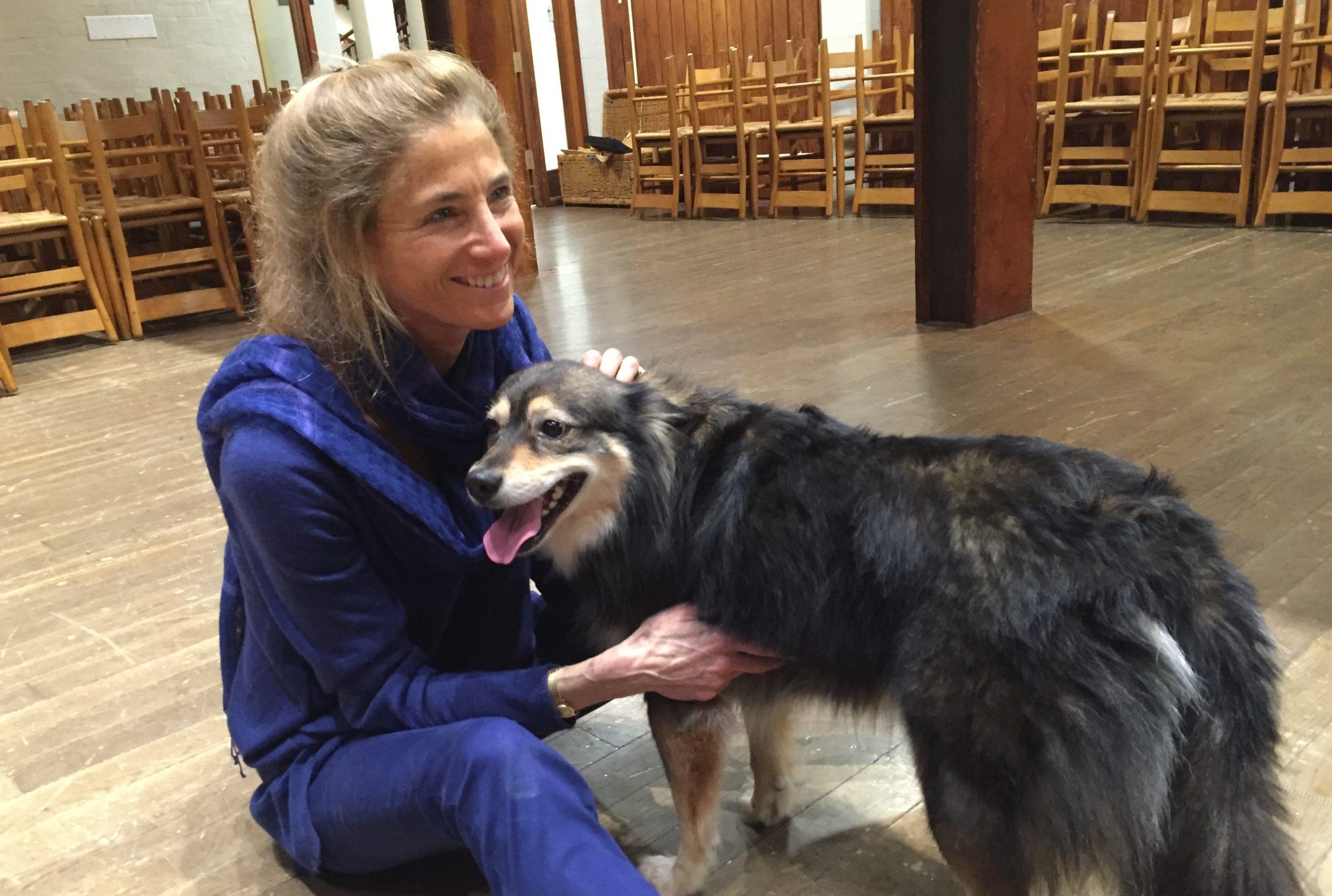
The Alchemy of Presence: Transforming Trauma into Awareness
Tara Brach's poignant assertion that "the opposite of trauma is not freedom from pain. It is the capacity to be present with whatever arises" invites us to reconsider our relationship with suffering. Rather than seeking an escape from pain, we are called to cultivate a profound presence that embraces our experiences, however challenging they may be. This perspective is not merely a philosophical stance; it is a transformative practice that can lead to healing and deeper understanding of ourselves and the world around us.
In a society often preoccupied with avoiding discomfort, Brach's words resonate with a radical invitation to confront our inner landscapes. The capacity to be present with whatever arises suggests a profound resilience, one that acknowledges the reality of our pain while simultaneously fostering an openness to experience. This duality is essential, as it allows us to navigate the complexities of life with grace, ultimately leading us toward a more compassionate existence.
The image / the metaphor
The imagery in Brach's quote evokes a sense of groundedness amidst turmoil. The phrase "capacity to be present" suggests a spaciousness within ourselves, a reservoir of strength that can hold the weight of our experiences without being overwhelmed. The verbs "be" and "arise" emphasize a dynamic relationship with our emotions and thoughts, inviting us to engage with them rather than flee. This active presence transforms trauma from a mere burden into a teacher, guiding us toward deeper self-awareness.
In the speaker's tradition
Tara Brach's insights are deeply rooted in Buddhist philosophy, particularly in concepts such as mindfulness and compassion. The practice of being present aligns with the Buddhist teaching of "sati," or mindfulness, which encourages us to observe our thoughts and feelings without judgment. This awareness fosters a sense of "kenosis," or self-emptying, allowing us to release our attachments to pain and suffering. By embodying these principles, we cultivate a compassionate heart that can embrace our traumas as integral parts of our journey.
In her book "Radical Compassion," Brach draws upon the teachings of the Buddha, particularly the Four Noble Truths, which illuminate the nature of suffering and the path to liberation. The recognition that suffering is a universal experience invites us to connect with others in their pain, fostering a sense of shared humanity. This interconnectedness is echoed in the concept of "sunyata," or emptiness, which teaches us that our identities are not fixed but rather fluid and interdependent. Through this lens, trauma becomes not just a personal struggle but a collective experience that can lead to greater compassion and understanding.
Living the teaching
Imagine a scenario where someone faces the aftermath of a difficult breakup. The instinct may be to suppress the pain, to distract oneself with work or social engagements. However, Brach's teaching encourages us to sit with that discomfort, to allow ourselves to feel the full weight of our emotions. By doing so, we create space for healing, transforming the trauma of loss into an opportunity for self-discovery and growth. This practice of presence can lead to insights about our patterns in relationships, ultimately guiding us toward healthier connections in the future.
In a different context, consider a moment of conflict in a close relationship. Instead of reacting defensively, we can apply Brach's teaching by pausing to acknowledge our feelings and the feelings of the other person. This practice of presence allows us to engage in a more compassionate dialogue, fostering understanding rather than escalation. By being present with our emotions and those of others, we cultivate a deeper connection that can transform conflict into an opportunity for growth and healing.
A reflection
As we contemplate Brach's profound insight, we are invited to reflect on our own relationship with pain and presence. How often do we find ourselves seeking to escape discomfort rather than embracing it? In what ways can we cultivate a greater capacity to be present with whatever arises in our lives? This inquiry can serve as a guiding light on our journey toward deeper self-awareness and compassion.



Join the BrightStar Community
Stay connected with daily inspiration, event announcements, and community wisdom