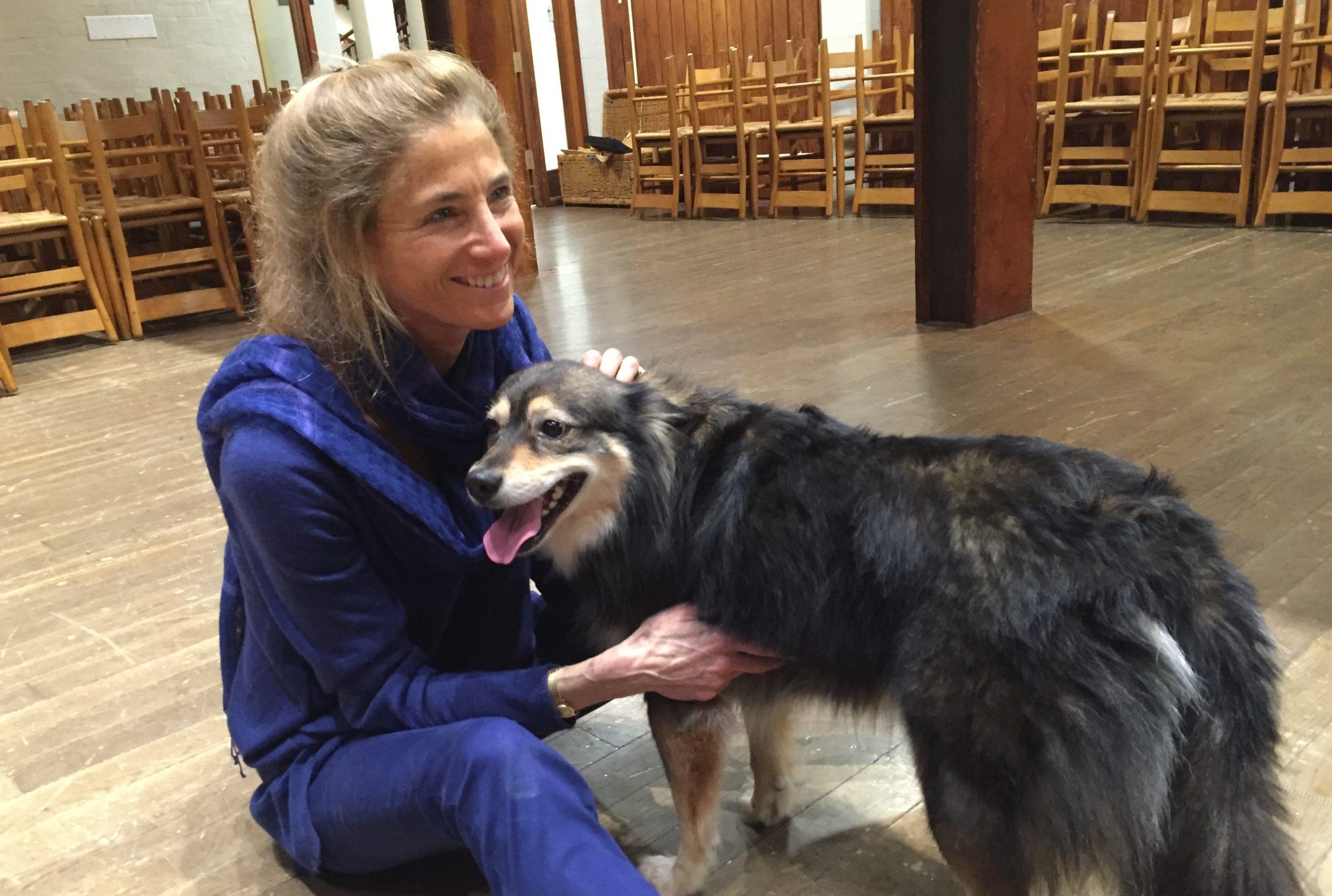
Finding Peace in the Present Moment
Tara Brach's assertion that "the cure for anxiety is here, not somewhere else" invites us to reconsider our relationship with the present moment. In a world that often feels overwhelming, where anxiety can loom large, this statement serves as a gentle reminder that solace is not a distant destination but rather an accessible state of being. The stakes are high; our mental and emotional well-being hinges on our ability to cultivate presence and awareness in our daily lives.
By emphasizing the immediacy of healing, Brach challenges the common tendency to seek relief in external circumstances or future outcomes. This perspective is particularly poignant in our fast-paced society, where distractions abound and the mind often wanders to what lies ahead or what has been left behind. The invitation to turn inward and embrace the here and now is not merely a suggestion; it is a profound call to awaken to the richness of our lived experience, to recognize that the antidote to our anxiety resides within us.
The image / the metaphor
The imagery in Brach's quote evokes a sense of immediacy and accessibility. The word "cure" suggests a remedy, a healing process that is not contingent upon external factors. The phrase "is here" grounds us in the present, urging us to recognize that the solution to our anxiety is not a far-off dream but rather a tangible reality waiting to be embraced. This felt sense of presence is both liberating and empowering, as it places the responsibility for our well-being squarely in our hands.
Diving deeper into the metaphor, we can see that Brach's words encourage a shift in perspective. Instead of viewing anxiety as an insurmountable obstacle, we are invited to see it as a signal—a call to return to the present moment. This shift transforms our relationship with anxiety from one of avoidance to one of acceptance, allowing us to engage with our feelings without being overwhelmed by them. In this way, the metaphor of "here" becomes a sanctuary, a safe space where we can confront our fears and anxieties with compassion and understanding.
In the speaker's tradition
Tara Brach's teachings are deeply rooted in Buddhist philosophy, particularly the concepts of mindfulness and presence. In Buddhism, the notion of "sunyata," or emptiness, invites us to recognize the transient nature of our thoughts and emotions. By understanding that anxiety is a passing phenomenon rather than a permanent state, we can cultivate a sense of detachment that allows us to experience life more fully. This aligns with the practice of "kenosis," or self-emptying, which encourages us to let go of our preconceived notions and embrace the present moment with openness.
A relevant text that echoes this sentiment is the "Dhammapada," a collection of sayings of the Buddha that emphasizes the importance of mindfulness and awareness. One verse states, "All that we are is the result of what we have thought." This highlights the power of our thoughts in shaping our experiences and underscores the importance of cultivating a mindful awareness of the present. By grounding ourselves in the here and now, we can begin to unravel the layers of anxiety that cloud our minds and hearts.
Living the teaching
Consider a modern scenario where this teaching resonates: a busy professional overwhelmed by deadlines and expectations. In the midst of this chaos, the mind races with thoughts of what needs to be done, creating a cycle of anxiety that feels inescapable. By applying Brach's teaching, this individual can pause, take a breath, and redirect their focus to the present moment. This simple act of grounding oneself can transform the experience of anxiety from a debilitating force into an opportunity for mindfulness and clarity.
Another application of this teaching can be found in interpersonal relationships. Imagine a moment of conflict between partners, where misunderstandings and unspoken fears create tension. By embodying the principle that "the cure for anxiety is here," both individuals can choose to engage in open communication, expressing their feelings and fears in the present moment rather than allowing past grievances or future worries to dictate their interactions. This practice of presence fosters deeper connection and understanding, ultimately alleviating the anxiety that often arises in relationships.
A reflection
As we contemplate Brach's profound insight, we are invited to ask ourselves: How often do I seek peace outside of the present moment? This question encourages us to reflect on our habitual patterns of thought and behavior, prompting us to explore the ways in which we might be overlooking the healing power of presence. In recognizing that the cure for anxiety lies within our grasp, we can begin to cultivate a deeper awareness of our thoughts and emotions, ultimately leading us toward a more fulfilling and peaceful existence.

Join the BrightStar Community
Stay connected with daily inspiration, event announcements, and community wisdom