The Breath of Presence: A Gateway to the Now
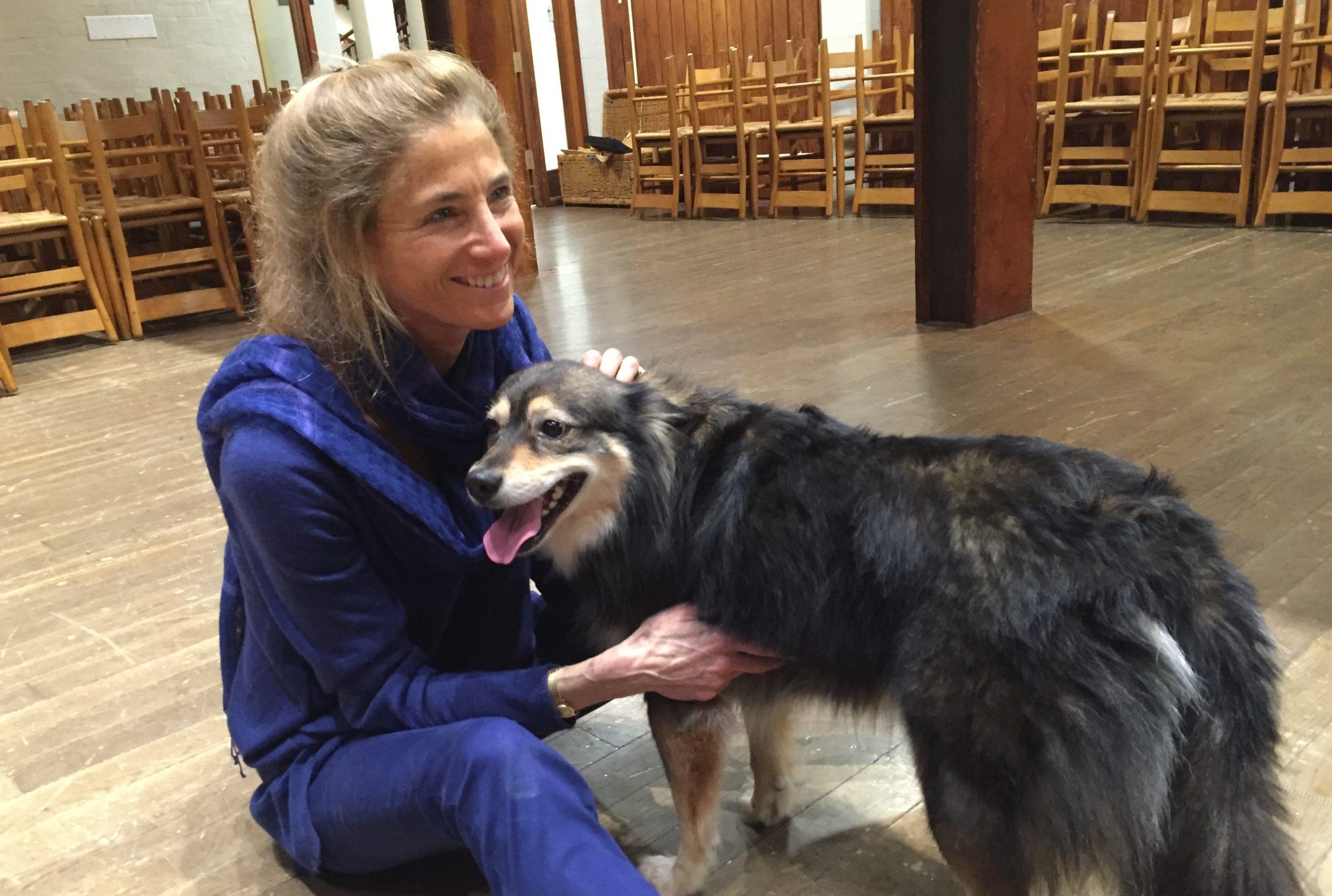
Tara Brach’s poignant assertion that "the breath is always available. It is the doorway to now" invites us to recognize the profound significance of our breath as a bridge to the present moment. In a world often characterized by distraction and disconnection, this quote serves as a gentle reminder of the simplicity and accessibility of mindfulness. By anchoring ourselves in our breath, we can cultivate a deeper awareness of our experiences, fostering a sense of peace and presence that is often elusive in our fast-paced lives.
Moreover, Brach's words illuminate the transformative power of breath as a tool for grounding ourselves in the here and now. The act of breathing, something we often take for granted, becomes a sacred practice when we consciously engage with it. This invitation to return to our breath not only enhances our capacity for mindfulness but also opens the door to a deeper understanding of ourselves and our relationship with the world around us.
The image / the metaphor
The imagery in Brach's quote evokes a sense of immediacy and accessibility. The breath, described as a "doorway," suggests a threshold that we can cross at any moment, leading us into the sanctuary of the present. The verbs "is" and "available" emphasize the constant presence of this doorway, inviting us to step through it whenever we choose. This metaphor encapsulates the idea that the breath is not merely a physiological function but a profound entry point into a more conscious existence.
Diving deeper into this metaphor, we can see that the breath symbolizes more than just a means of survival; it represents a connection to our inner selves and the universe. Each inhalation and exhalation can be viewed as a rhythmic dance, a reminder of the impermanence of life and the continuous flow of experience. By recognizing our breath as a doorway, we acknowledge our ability to choose presence over distraction, to embrace the now rather than be swept away by the currents of past regrets or future anxieties.
In the speaker's tradition
Tara Brach's teachings are deeply rooted in the Buddhist tradition, where mindfulness and awareness are central tenets. Concepts such as dharma, the path of truth and virtue, and sunyata, or emptiness, resonate with her emphasis on the breath as a pathway to presence. In Buddhism, the practice of mindfulness is often cultivated through techniques that focus on the breath, allowing practitioners to develop a clearer understanding of their thoughts and emotions. This alignment with the breath fosters a sense of connection to the present moment, echoing the teachings of the Buddha on the importance of awareness in achieving liberation.
Living the teaching
Consider a modern scenario where the pressures of daily life can feel overwhelming. Imagine a busy professional navigating a hectic work environment, constantly bombarded by emails, meetings, and deadlines. In such moments, the simple act of pausing to focus on one’s breath can serve as a powerful antidote to stress. By taking a few deep breaths, the individual can create a space of calm amidst the chaos, allowing for greater clarity and focus. This practice not only enhances productivity but also fosters a sense of well-being and connection to the present moment.
In relationships, the teaching of breath as a doorway to now can be equally transformative. During a disagreement or a moment of tension, taking a breath before responding can shift the dynamics of the interaction. This pause allows for reflection rather than reaction, creating an opportunity for empathy and understanding. By grounding ourselves in our breath, we can approach difficult conversations with a sense of presence, fostering deeper connections and more meaningful exchanges.
A reflection
As we contemplate Tara Brach's invitation to recognize the breath as a doorway to the now, we might ask ourselves: How often do I allow the breath to guide me back to the present moment? This question invites us to explore our relationship with our breath and the ways in which it can serve as a tool for mindfulness and presence. In a world filled with distractions, may we remember that the breath is always available, waiting to lead us home to ourselves.
Join the BrightStar Community
Stay connected with daily inspiration, event announcements, and community wisdom