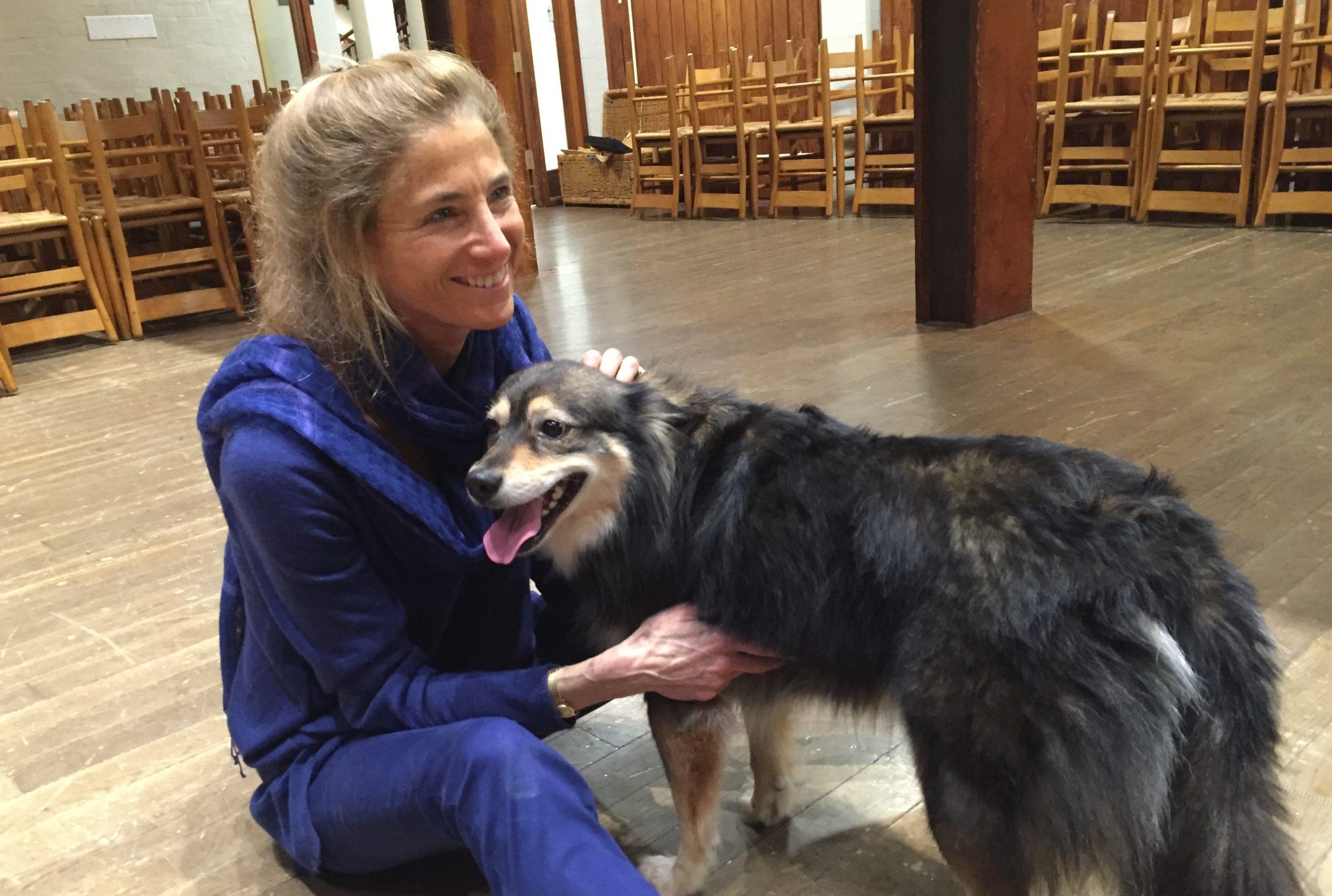
The Courage to Embrace Our Humanity
Tara Brach's poignant assertion that "self-compassion is not weakness. It is the courage to be human" invites us to reconsider our relationship with vulnerability and self-acceptance. In a world that often equates strength with stoicism and emotional resilience with the suppression of feelings, Brach's words serve as a gentle reminder that true courage lies in acknowledging our imperfections and embracing our shared humanity. This perspective is vital, especially in a society that frequently stigmatizes emotional struggles, urging us to cultivate a more compassionate inner dialogue.
By framing self-compassion as an act of courage, Brach challenges the prevailing narrative that views vulnerability as a flaw. Instead, she invites us to see it as an essential aspect of the human experience. This shift in perception is crucial for personal growth and healing, as it encourages us to confront our fears and insecurities with kindness rather than judgment. In doing so, we not only foster a deeper connection with ourselves but also with others, creating a ripple effect of compassion in our communities.
The image / the metaphor
The imagery in Brach's quote evokes a sense of warmth and acceptance, suggesting that self-compassion is a nurturing force rather than a sign of weakness. The verbs "is" and "to be" imply a state of existence that invites us to embody self-kindness as a fundamental aspect of our being. This perspective encourages us to view our struggles not as burdens to be hidden away but as integral parts of our journey, deserving of love and understanding.
Diving deeper into the metaphor, we can envision self-compassion as a soft embrace that envelops us during moments of pain or failure. It is the gentle voice that reassures us when we falter, reminding us that we are not alone in our suffering. This nurturing aspect of self-compassion allows us to cultivate resilience, as it encourages us to rise again after setbacks, fortified by the knowledge that our humanity is shared and celebrated.
In the speaker's tradition
Tara Brach's teachings are deeply rooted in Buddhist philosophy, where concepts such as compassion (karuna) and mindfulness (sati) play pivotal roles. In Buddhism, self-compassion aligns with the understanding of sunyata, or emptiness, which teaches us that our identities are not fixed but fluid, shaped by our experiences and relationships. This perspective encourages us to let go of rigid self-concepts and embrace the impermanence of our emotions, fostering a more compassionate relationship with ourselves.
Moreover, Brach's emphasis on self-compassion resonates with the Buddhist practice of loving-kindness (metta), which extends not only to others but also to oneself. In her book "Radical Compassion," Brach draws upon these teachings, illustrating how cultivating self-compassion can lead to a profound transformation in our interactions with the world. The act of embracing our humanity allows us to extend that same grace to others, creating a compassionate community that uplifts rather than judges.
Living the teaching
Consider a modern scenario where this teaching can be applied: a person facing job loss. In the wake of such a significant life change, it is easy to spiral into self-criticism, questioning one's worth and abilities. However, by practicing self-compassion, this individual can acknowledge their feelings of fear and uncertainty without judgment. Instead of berating themselves for perceived failures, they can offer themselves kindness, recognizing that job loss is a common experience that many face, thus allowing them to navigate this challenging time with greater resilience.
Another application of this teaching might arise in the context of a strained relationship. When conflicts arise, it is tempting to place blame or to retreat into defensiveness. However, by embracing self-compassion, individuals can approach the situation with a sense of understanding and empathy for both themselves and their partner. This shift allows for open communication and healing, as both parties acknowledge their vulnerabilities and work together to foster a deeper connection rooted in compassion.
A reflection
As we contemplate Brach's assertion that "self-compassion is not weakness. It is the courage to be human," we are invited to reflect on our own relationship with vulnerability. How often do we extend compassion to ourselves in moments of struggle? In what ways can we cultivate a more nurturing inner dialogue that honors our humanity? These questions serve as a guide for our journey toward greater self-acceptance and connection with others.




Join the BrightStar Community
Stay connected with daily inspiration, event announcements, and community wisdom