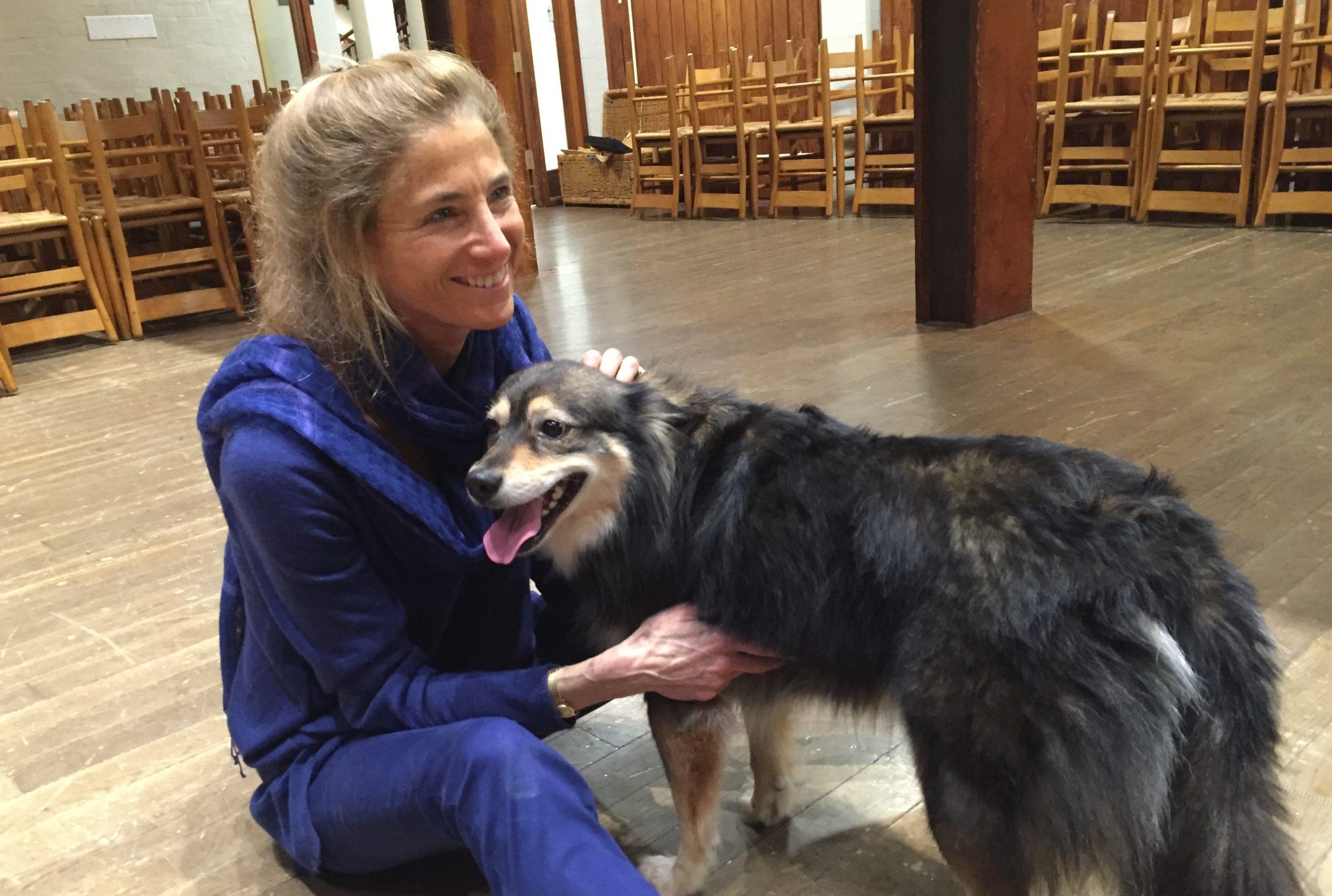
The Heart of Connection: Embracing Love as Willingness
Tara Brach's assertion that "love is the willingness to remain in relationship" invites us to reconsider the essence of love itself. In a world often characterized by fleeting connections and superficial interactions, this statement challenges us to delve deeper into the nature of our relationships. It suggests that love is not merely an emotion or a fleeting sentiment but a conscious choice to engage, understand, and remain present with one another, even amidst difficulties. This perspective holds profound implications for how we navigate our connections with others and ourselves.
Moreover, Brach's words resonate with the understanding that love is an active, ongoing process rather than a static state. It emphasizes the importance of commitment and presence in our relationships, urging us to cultivate a willingness to stay engaged, even when faced with challenges. This notion of love as a dynamic force compels us to reflect on our own relational patterns and the ways in which we might withdraw or disengage when discomfort arises. In this light, the quote serves as both a reminder and a call to action, inviting us to embody love through our choices and actions.
The image / the metaphor
The imagery in Brach's quote evokes a sense of steadfastness and resilience. The phrase "willingness to remain" suggests an active engagement, a conscious decision to stay connected despite the inevitable ups and downs of relationships. This willingness is not passive; it requires courage, vulnerability, and a deep commitment to understanding the other. The verb "remain" implies a grounding presence, a choice to weather storms together rather than retreating into isolation. This metaphor of relational endurance paints love as a garden that requires tending, nurturing, and sometimes, the willingness to weather harsh seasons.
Diving deeper into this metaphor, we can see that remaining in relationship is akin to navigating a river's currents. Just as a river flows and changes, so too do our relationships evolve over time. The willingness to stay engaged means embracing the fluidity of connection, recognizing that love is not about clinging to a fixed idea of the other but rather about being open to the transformations that occur within ourselves and our partners. This dynamic interplay of presence and change enriches our understanding of love, revealing it as a living, breathing entity that thrives on our commitment to remain in relationship.
In the speaker's tradition
Tara Brach's insights are deeply rooted in Buddhist philosophy, where the concepts of compassion and interconnectedness are paramount. In Buddhism, the notion of "dharma" encompasses the teachings that guide us toward understanding our true nature and the nature of our relationships. The willingness to remain in relationship aligns with the practice of "kenosis," or self-emptying, which invites us to let go of our ego-driven desires and open ourselves to the needs and experiences of others. This selfless love fosters a sense of unity and belonging, reminding us that our individual well-being is intertwined with the well-being of those around us.
Furthermore, Brach's emphasis on love as a willingness to remain resonates with the Buddhist concept of "sunyata," or emptiness, which teaches that our identities and relationships are not fixed but rather fluid and interdependent. This perspective encourages us to cultivate a sense of spaciousness in our relationships, allowing for growth and transformation. In her book "Radical Compassion," Brach draws upon these teachings, illustrating how the practice of mindfulness and compassion can help us navigate the complexities of love and connection. By embracing the willingness to remain, we align ourselves with the fundamental truths of our shared humanity.
Living the teaching
Consider a modern scenario where this teaching can be applied: a friendship that has faced strain due to misunderstandings and unspoken grievances. In such a situation, the willingness to remain in relationship may manifest as a commitment to open dialogue, where both parties express their feelings and listen to one another with compassion. This act of staying engaged, even when it feels uncomfortable, can lead to deeper understanding and healing. By choosing to confront the challenges together, both individuals embody Brach's teaching, transforming their relationship into a space of growth and connection.
Another application of this teaching can be found in romantic relationships, particularly during moments of conflict. When disagreements arise, the instinct may be to withdraw or to defend oneself. However, embracing the willingness to remain means choosing to stay present, to listen, and to seek understanding rather than retreating into silence or anger. This practice not only nurtures the bond between partners but also fosters personal growth, as each individual learns to navigate their emotions and reactions with mindfulness. In this way, love becomes a practice of presence, patience, and mutual respect.
A reflection
As we contemplate Tara Brach's profound statement, we might ask ourselves: "In what areas of my life am I willing to remain in relationship, even when it is challenging?" This question invites us to reflect on our connections with others and ourselves, encouraging us to explore the ways in which we can cultivate a deeper commitment to love. By examining our willingness to engage, we can uncover the transformative power of love as a conscious choice, leading us toward richer, more meaningful relationships.




Join the BrightStar Community
Stay connected with daily inspiration, event announcements, and community wisdom